2025 Rewind: What Decades of Festival Consulting and Producing Taught Us This Year
2025 Learnings and 2026 Tips
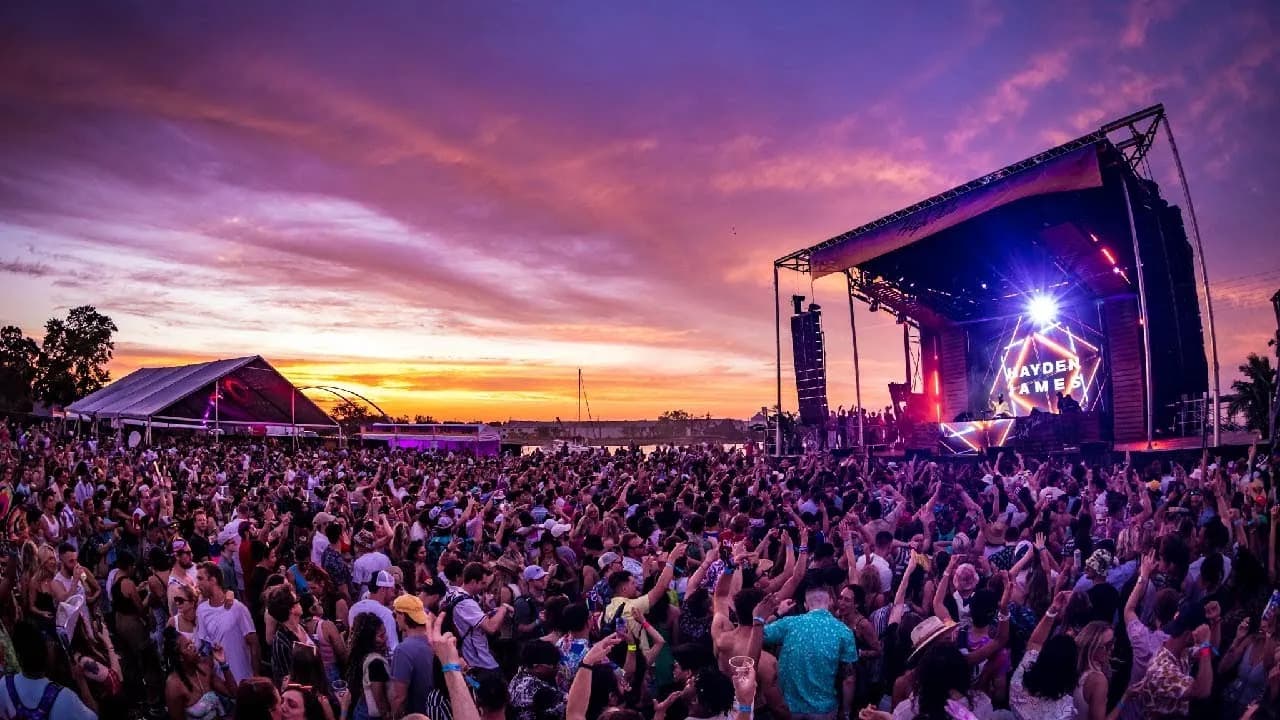
Wow wow wow. In the 25 years I’ve been producing and consulting festivals, few were as in flux as 2025. Markets swung, spending slowed, and nothing felt certain. If it did, it didn’t for long. Between the first signs of digital fatigue – 73% of Gen Z report feeling digitally exhausted – and the rise of “little luxuries” and “slow living” trends – consumer behavior swung between experience‑seeking and economic caution.
We saw both record crowds and record losses amid constricted spending and a heightened desire for outdoor recreation and social connection. Even the beverage alcohol industry, a longtime industry sponsorship bellwether, faced a “subdued but opportunity‑rich” environment with uneven growth and declining sales volume.
Despite these headwinds, not everyone was down. What we’re seeing is cyclical and many other industries are feeling similar pressures. As we look ahead to 2026, our core festival architecture remains the same — Brand, Budget, Team, Timeline – and we are resolute on sticking to the fundamental principles we’re learned over decades of designing, managing and scaling successful festivals. Rarely does a prospective client approach us with sound architecture, which is why we’re more committed than ever to not fly the plane until the parts and team are there to do so…and the weather is good too 🙂
So what did we learn this year? Here are the three big takeaways: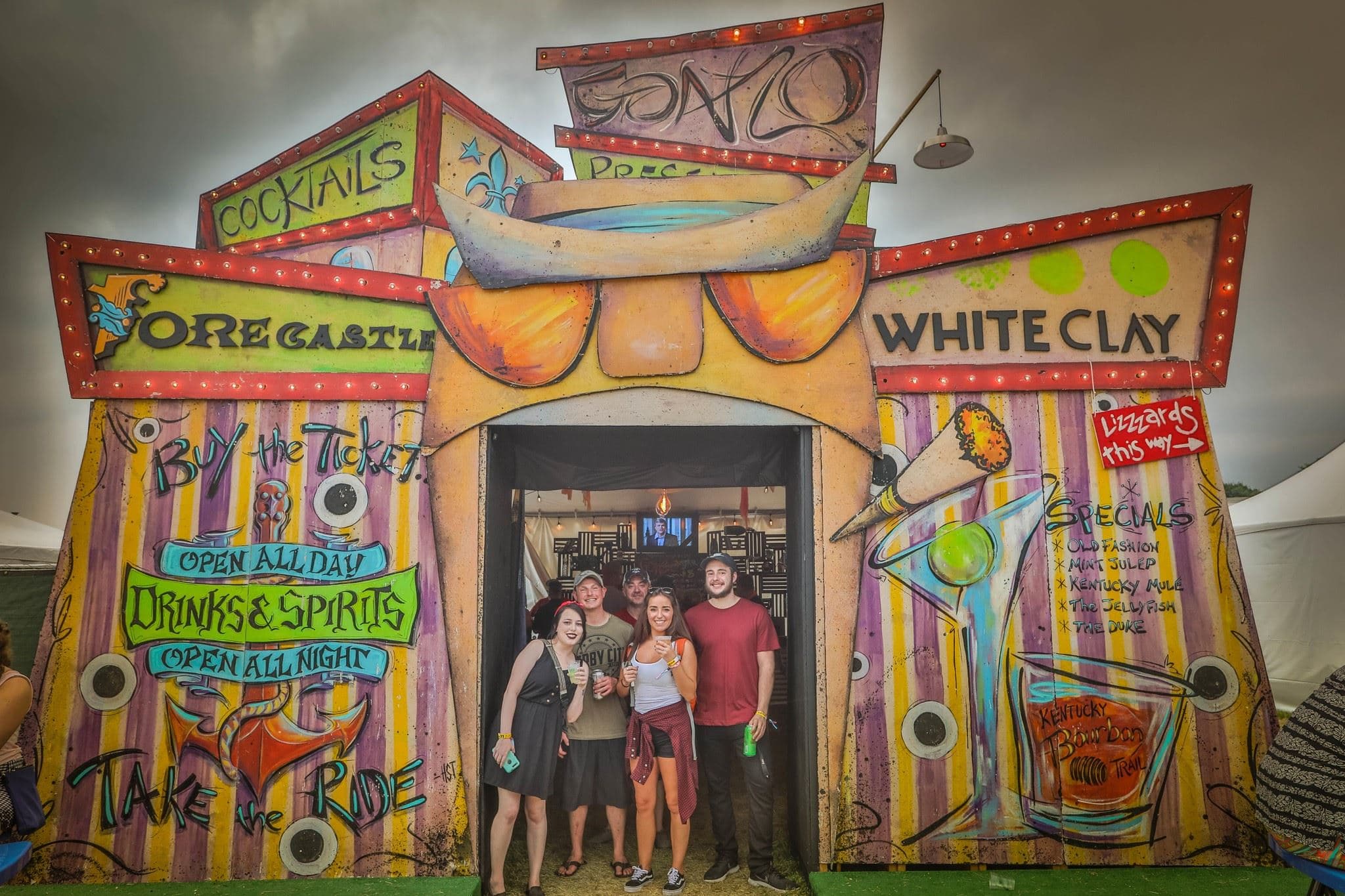
1. Music to Multi-Sensory
As a lifelong musician, this one hurts, but the live‑music industry is still operating in a pre‑COVID mindset. Headliner guarantees are getting out of step with the risk and economic realities of independent promoters, municipalities and lifestyle brands (our core client base). We are advising our clients to shift from music‑driven programming to multi‑sensory experiences. Everyday we are helping our clients program their festivals more dynamically, to take the pressure off the rising costs and risks of music programming. This diversification relieves festival budget pressure and broadens the audience. I learned that at 23 years old when I expanded my Forecastle Festival from music to music.art.activism® and watched crowds triple while budgets remained congruent. Additionally, helping our clients boost ticket sales by more effectively engaging Gen Z – festivals’ most fervent fans and rapidly growing base that prioritizes authenticity, sustainability and experiential spending.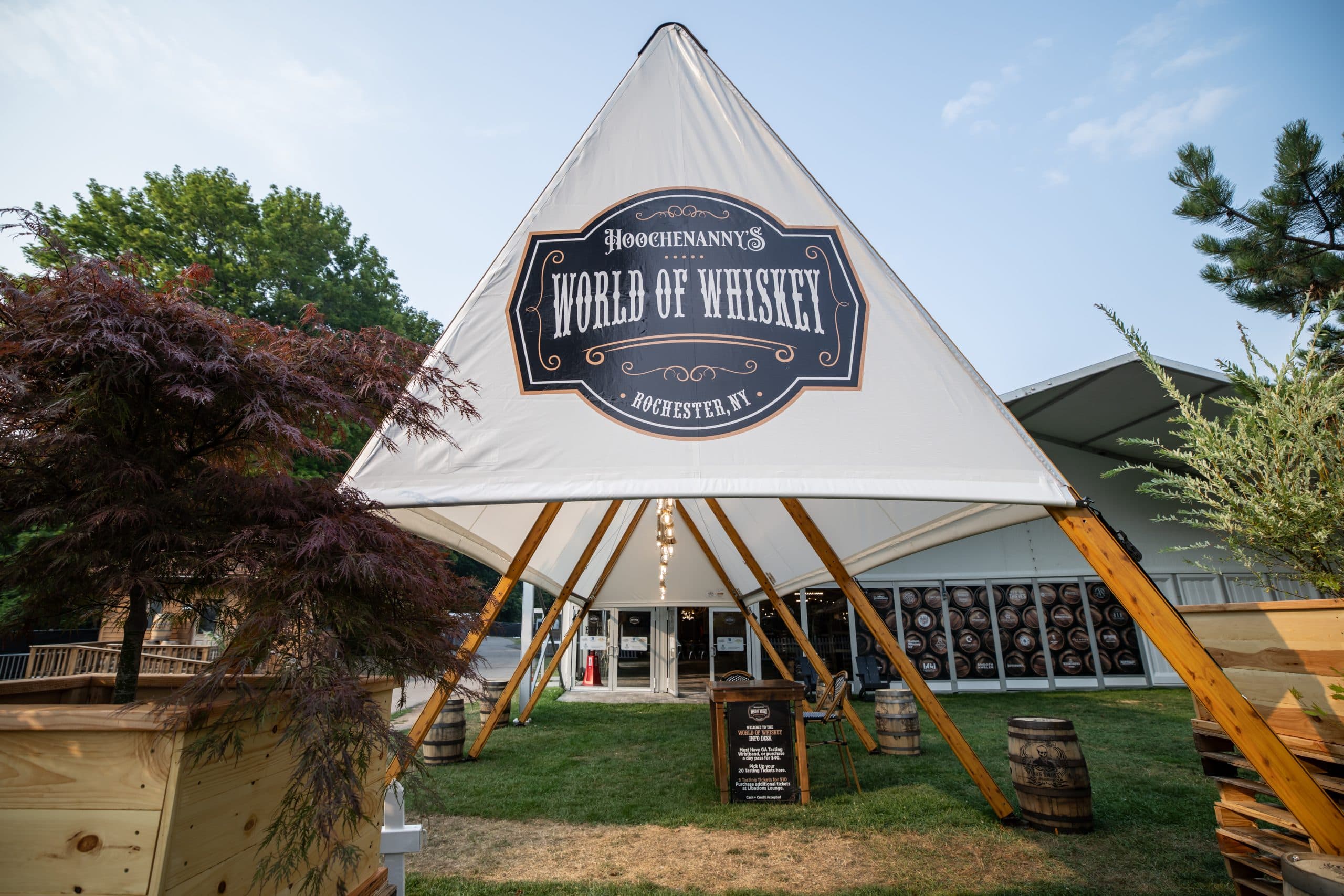
2. Start Low and Grow
Inflation, supply‑chain hiccups and labor shortages made 2025 the most expensive year ever to stage festivals. Food costs rose 8–10% and drink prices increased 5–8% compared to 2024. Festivals that hiked prices beyond 10% actually saw a decline in fan spending, proving that consumers do have limits. Yet too many new events wanted to launch with mega‑festival ambitions, hoping for overnight success rather than testing, iterating, and preparing for multi‑year growth and development. Our advice — start smaller, reduce risk and allow your concept to evolve and grow as the market demands. Patience and commitment built my most successful festivals, and that same discipline will build tomorrow’s.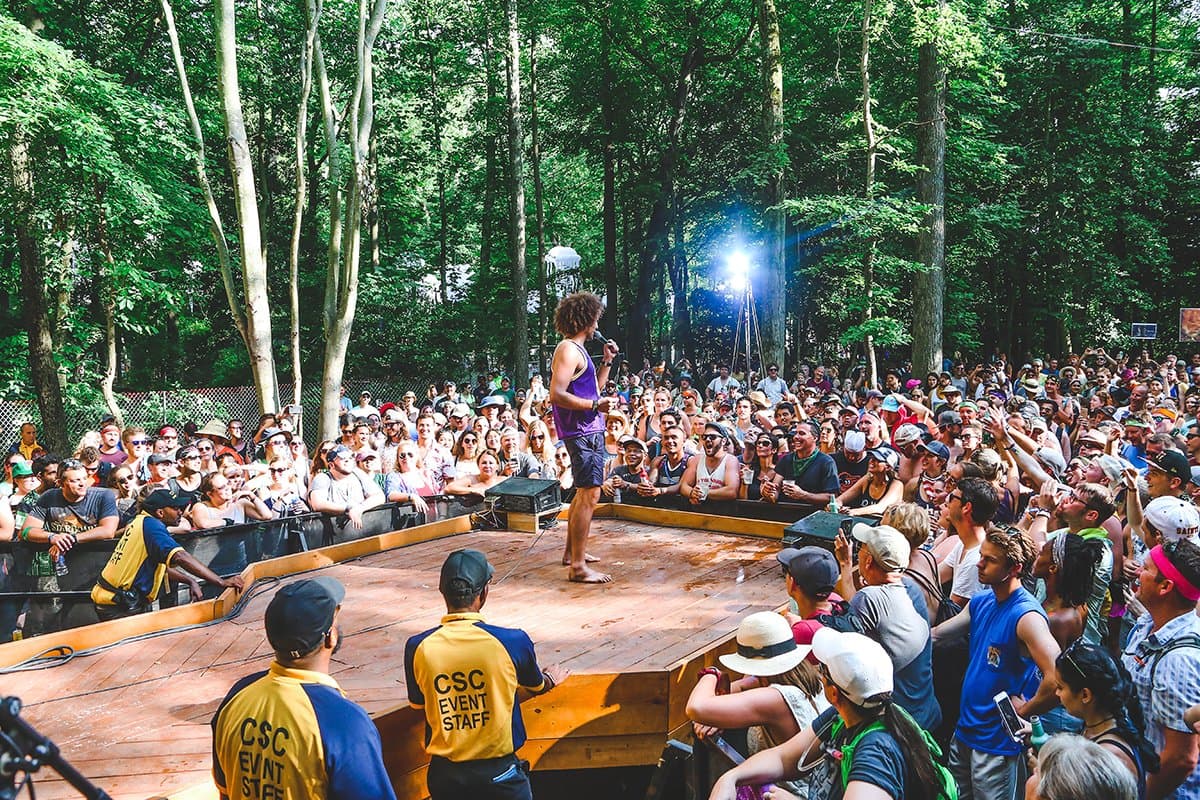
3. The VIP Bubble Burst
The pricey, multi‑tiered VIP model started showing cracks in the pavement. It was bound to happen. Fans are burned out on packages that over‑promise and under‑deliver — long lines, oversold lounges, mediocre hospitality and expensive amenities. The backlash swirled around major festivals this year. With high ticket prices and surging on‑site expenses, trust is eroding. I’ve always loved the TripAdvisor tagline, “You can’t return a bad vacation.” 2026 must be a year of course correction: cap capacity, limit tiers, create transparent benefits and ensure every paying guest feels the value.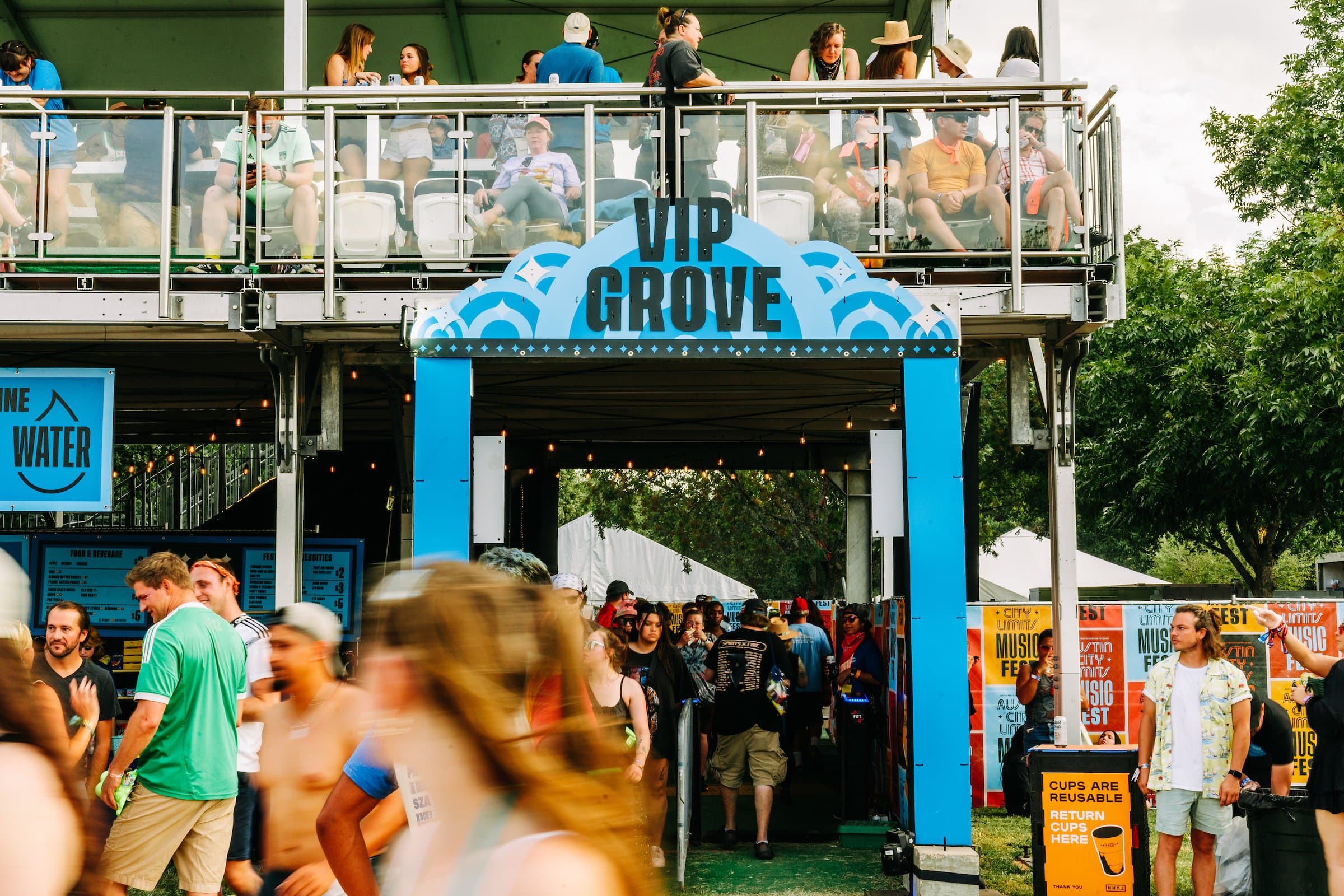
Looking Ahead to 2026: Reimagine, Recalibrate + Innovate
The experiential economy will continue to grow, but it’s morphing into new forms. What worked yesterday is no guarantee for tomorrow. To support our clients in a tumultuous environment, we’re introducing twenty new festival products and services in 2026, including:
- Festival Feasibility Studies: Comprehensive opportunity analysis to validate your vision, reduce risk and set realistic expectations before deviating significant resources.
- Modern Budget Development: A battle‑tested budget and economic model built to minimize risk, maximize profitability and inspire confidence.
- Programming Optimization: The Design of Time – architect an A‑to‑Z, immersive, multi‑sensory experience that excites your audience, amplifies your brand and maximizes every square foot and minute of your festival.
Conclusion
In conclusion, while 2025 was marred by unpredictability, our message to festival founders in 2026 is the same: now is the time to recalibrate, reimagine, and restrategize. If you innovate with intention, respect your audience and build on a solid foundation of vision, budget, team and timeline, you’ll put yourself in a better position to tackle what 2026 has in store.
If seeking an expert guide and navigator, were here to help. Contact us to setup a complimentary discovery call.